Red Light and NIR: Mito Red vs. Joovv Panels
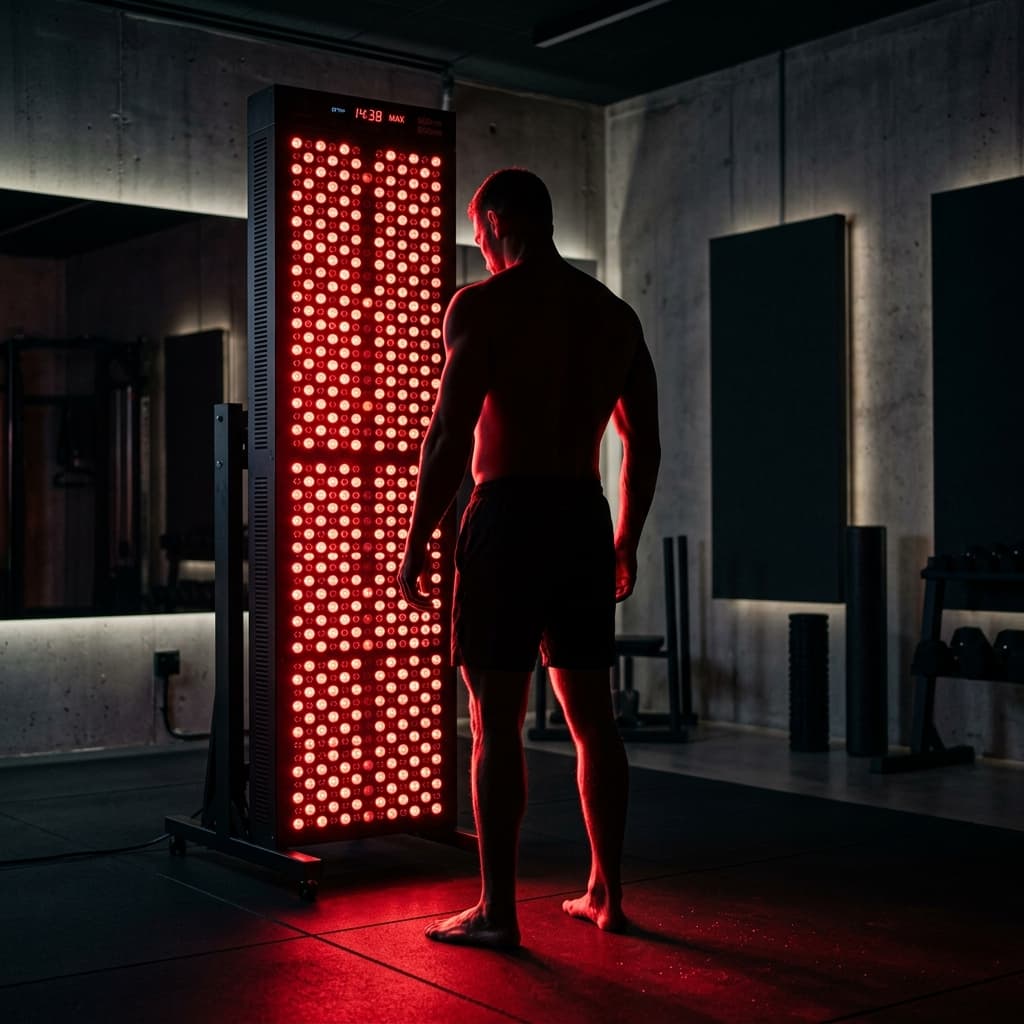
Red Light and NIR Panels: Systemic Photobiomodulation
Red Light (660nm) and Near-Infrared (NIR, 850nm) therapy, known as photobiomodulation, is one of the most powerful tools for optimizing mitochondrial function at a systemic level. By exposing large areas of the body to these wavelengths, we can influence cellular energy, inflammation, and tissue regeneration non-invasively.
Irradiance and the Inverse Square Law
For red light to have a LogicMindLabal effect, it is not enough to "see" the light; there must be a minimum irradiance (power density) that reaches the target tissues.
- Mito Red vs. Joovv: While Joovv popularized the sector with a premium modular design, brands like Mito Red currently offer higher irradiance per dollar, allowing for shorter sessions with the same metabolic results.
- Exposure Distance: Due to the inverse square law, light power decreases drastically with distance. For deep effects (muscles, joints), distances of 15-30 cm from the panel are recommended.
Science-Based Benefits
- Mitochondrial Optimization: Similar to brain tPBM, systemic red light stimulates Cytochrome C Oxidase, increasing ATP production and reducing oxidative stress.
- Muscle Recovery: Studies in athletes show that pre-workout exposure can increase performance, while post-workout exposure accelerates lactate clearance and reduces muscle damage.
- Skin Health: It stimulates collagen and elastin production, improving dermal texture and accelerating healing.
LogicMindLab Protocol for Body PBM
- Hormetic Dosage: Less is more. A dose of 10-20 joules/cm² is ideal. Overdoing it can lead to a counterproductive oxidative stress response.
- Frequency: 3 to 5 sessions per week of 10 minutes per side (front and back).
- Eye Protection: Although red light is beneficial for the retina in low doses, the intensity of high-power panels requires the use of eye protection to avoid phototoxic fatigue.
References and Clinical Data
- Avci, P., et al. (2024). "Low-level laser (light) therapy (LLLT) in skin: stimulating, healing, restoring". Seminars in Cutaneous Medicine and Surgery.
- Ferraresi, C., et al. (2025). "Photobiomodulation in human muscle tissue: an advantage in sports performance?". Journal of Biophotonics.
LogicMindLab Note: Panels must be Flicker-Free and have low electromagnetic emission (EMF) to be considered safe for long-term home use.
Scientific References & Disclaimer
This article was written for scientific journalism and educational purposes based on publicly available clinical literature. Always consult a licensed healthcare professional before modifying your protocols.
Verify on PubMed