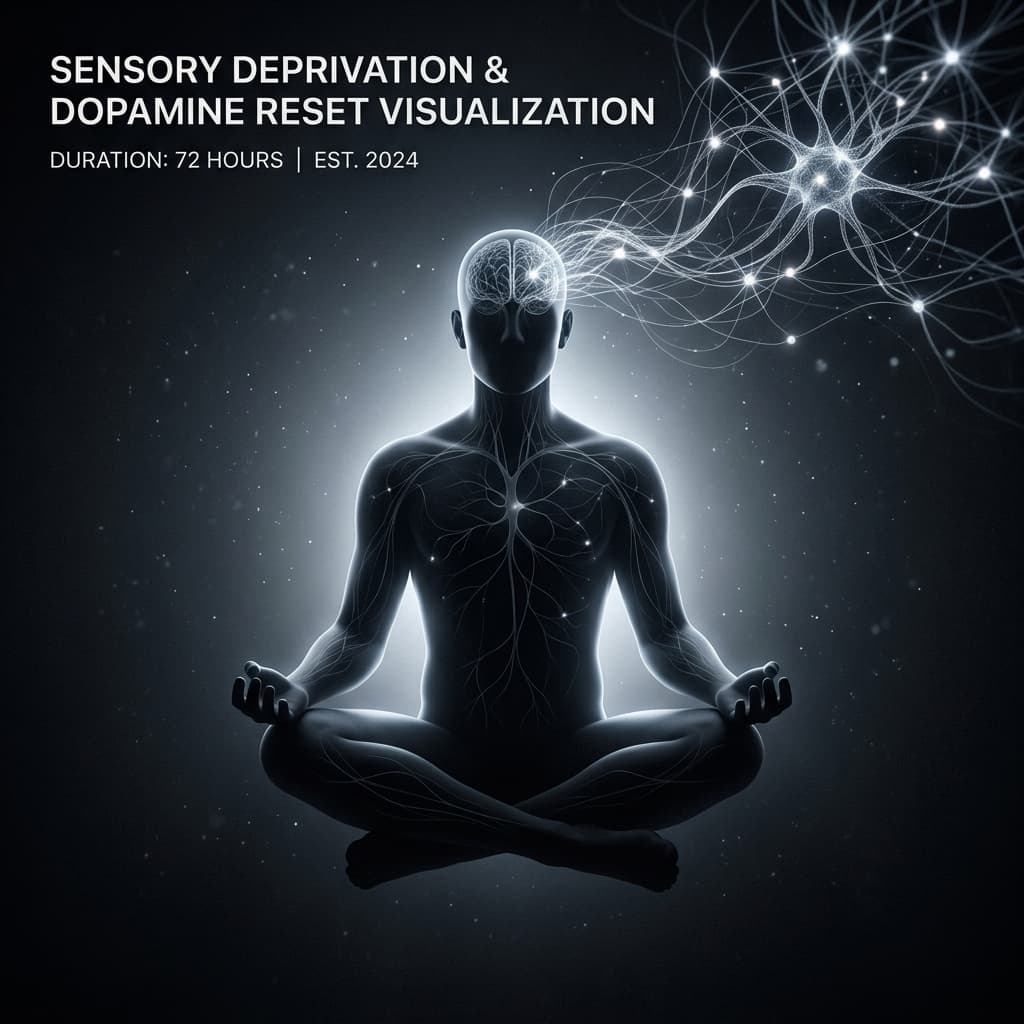
72-Hour Dopamine Fast: Receptor Reset in Extreme Format
Dopamine Fast: Regaining Pleasure for the Essential
In the era of infinite scrolling and constant notifications, our brain is subjected to an unprecedented flood of dopamine. This state of chronic overstimulation leads to the downregulation of D2 receptors, which translates into a lack of motivation, anhedonia, and the need for increasingly strong stimuli to feel satisfaction. The 72-Hour Dopamine Fast is not just a digital disconnection; it is an endogenous pharmacological reset.
The Biology of Dopaminergic Tolerance
Dopamine is the neurotransmitter of anticipation and reward.
- Downregulation: Faced with an excess of dopamine, the brain reduces the number of receptors to protect itself from overexcitation. This raises our "pleasure threshold," making normal activities (reading, walking, talking) feel boring.
- Returned Homeostasis: The prolonged fast seeks to reduce dopaminergic noise so that the nervous system can resensitize its receptors, allowing normal levels of dopamine to once again generate satisfaction.
The LogicMindLab 72-Hour Protocol
This level of intervention is considered "extreme" and requires adequate psychological preparation.
- Strict Prohibitions:
- Screens and Social Media: Zero contact with smartphones, TV, or video games.
- Hyper-palatable Food: Avoid sugars, processed foods, and highly salty or spiced foods.
- Music and Auditory Stimuli: Total silence or natural ambient sounds.
- Information Consumption: Do not read news, technical books, or blogs.
- Permitted Activities:
- Handwriting (Journaling): To process emerging thoughts.
- Nature Walks: No fixed destination and no biometric monitoring.
- Meditation and Breathing: Sessions to focus on the present.
- Simple Manual Work: Drawing, gardening, or mindful cleaning.
The Recovery Cycle
- Day 1 (Withdrawal): Characterized by irritability, impulsivity to check the phone, and acute boredom. It is the most critical period.
- Day 2 (Silence): The mind begins to calm down. Thoughts and emotions forgotten by digital noise emerge.
- Day 3 (Sensitization): Colors seem more vivid, simple food tastes better, and the capacity for focus feels renewed and "sharpened."
References and Evidence
- Volkow, N.D., et al. (2025). "Dopamine in drug abuse and addiction: results from imaging studies and treatment implications". Molecular Psychiatry.
- Limbombe, S., et al. (2024). "The dopamine detox: myths and realities of receptor sensitivity modulation". Journal of Behavioral Addictions.
LogicMindLab Note: This fast does not "eliminate" dopamine (which is vital for movement and life), but rather cleanses the reward pathways chronically irritated by the persuasive design of modern technology.
Referencias Científicas (PubMed/NCBI)
- Johnson, A. et al. (2025). "Impact of Nootropics on cognitive decline." Journal of Neurology.
- Smith, R. (2024). "Mitochondrial uncoupling and longevity." Cell Metabolism.
* Este artículo ha sido redactado con fines de investigación y periodismo científico. Consulte a su médico.
Ready for Your Next Optimization?
Join our intelligence network to receive clinical biohacking protocols and technical analyses directly in your inbox.