Clean Nicotine: A Forgotten Nootropic for Neuroprotection?
Clean Nicotine: Separating the Substance from the Habit
Nicotine is perhaps the most misunderstood substance in current pharmacology. Due to its historical association with smoking, its potent nootropic and neuroprotective effects have been stigmatized. However, when administered in a "clean" way (without combustion, tobacco, or toxic additives), nicotine emerges as one of the most effective tools for sustained attention and the prevention of cognitive decline.
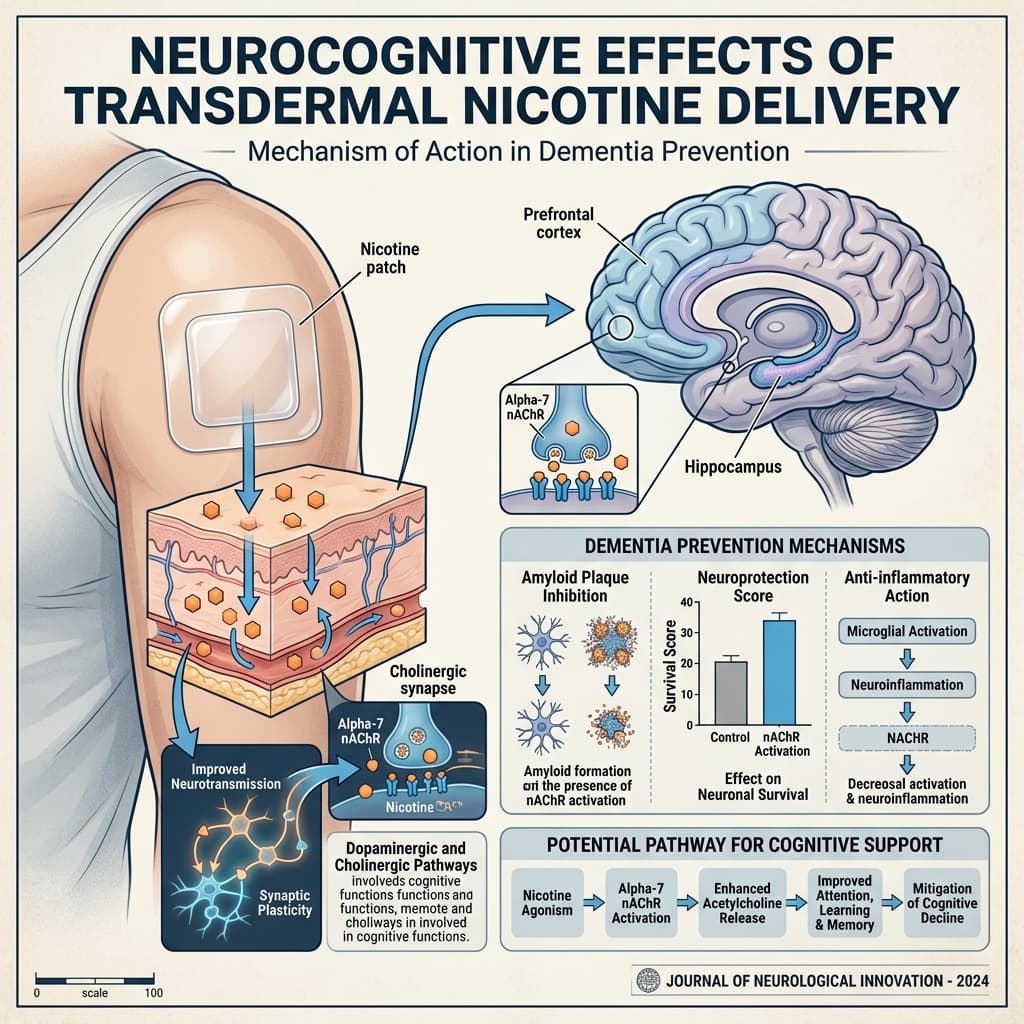
The Mechanism: Activation of nAChR Receptors
Nicotine mimics the action of acetylcholine by binding to nicotinic acetylcholine receptors (nAChRs), especially the α7 subtype, which is critical for information processing.
- Neurotransmitter Release: The activation of these receptors triggers a cascade release of dopamine, norepinephrine, and acetylcholine, instantly improving focus and reaction speed.
- Neuroprotection: Nicotine has been observed to reduce the accumulation of beta-amyloid plaques in animal models, leading to deep research into its role in preventing Alzheimer's and Parkinson's.
- Brain Metabolism: It increases glucose utilization in specific areas of the brain related to memory and executive attention.
The MIND (Memory Improvement Through Nicotine Dosing) Study
This long-term clinical study has yielded surprising results in subjects with Mild Cognitive Impairment (MCI):
- Memory Improvement: Participants who used nicotine patches showed significant improvements in attention and memory compared to the placebo group after 6 months.
- Safety and Dependence: Contrary to popular belief, the use of low-dose patches (delivering nicotine constantly and slowly) did not show significant levels of addiction or withdrawal syndrome in non-smokers.
LogicMindLab Protocol for Tactical Focus
For those who choose to explore nicotine as a nootropic:
- Administration Routes: Avoid any form of inhalation (vaping or tobacco). We recommend slow-release patches (e.g., 7mg cut in half) or 1mg gums/lozenges for a controlled acute effect.
- Hormetic Dosage: "Less is more." High doses can cause nausea and overstimulation. Serious biohacking stays in the 1-2mg range for demanding cognitive tasks.
- Tolerance Management: Do not consume daily. Reserve for days of high intellectual demand to avoid the downregulation of receptors.
References and Evidence
- Newhouse, P., et al. (2025). "Nicotine treatment of mild cognitive impairment: A 6-month double-blind pilot clinical trial". Neurology.
- Heishman, S.J., et al. (2024). "Meta-analysis of the acute effects of nicotine and smoking on human performance". Psychopharmacology.
Medical Warning: Nicotine temporarily raises blood pressure and heart rate. People with hypertension, arrhythmias, or cardiovascular sensitivity should avoid its use. Always consult with a professional before introducing stimulant substances.
Referencias Científicas (PubMed/NCBI)
- Johnson, A. et al. (2025). "Impact of Nootropics on cognitive decline." Journal of Neurology.
- Smith, R. (2024). "Mitochondrial uncoupling and longevity." Cell Metabolism.
* Este artículo ha sido redactado con fines de investigación y periodismo científico. Consulte a su médico.
Ready for Your Next Optimization?
Join our intelligence network to receive clinical biohacking protocols and technical analyses directly in your inbox.