Nocturnal Oximetry: Detecting Asymptomatic Micro-Apneas
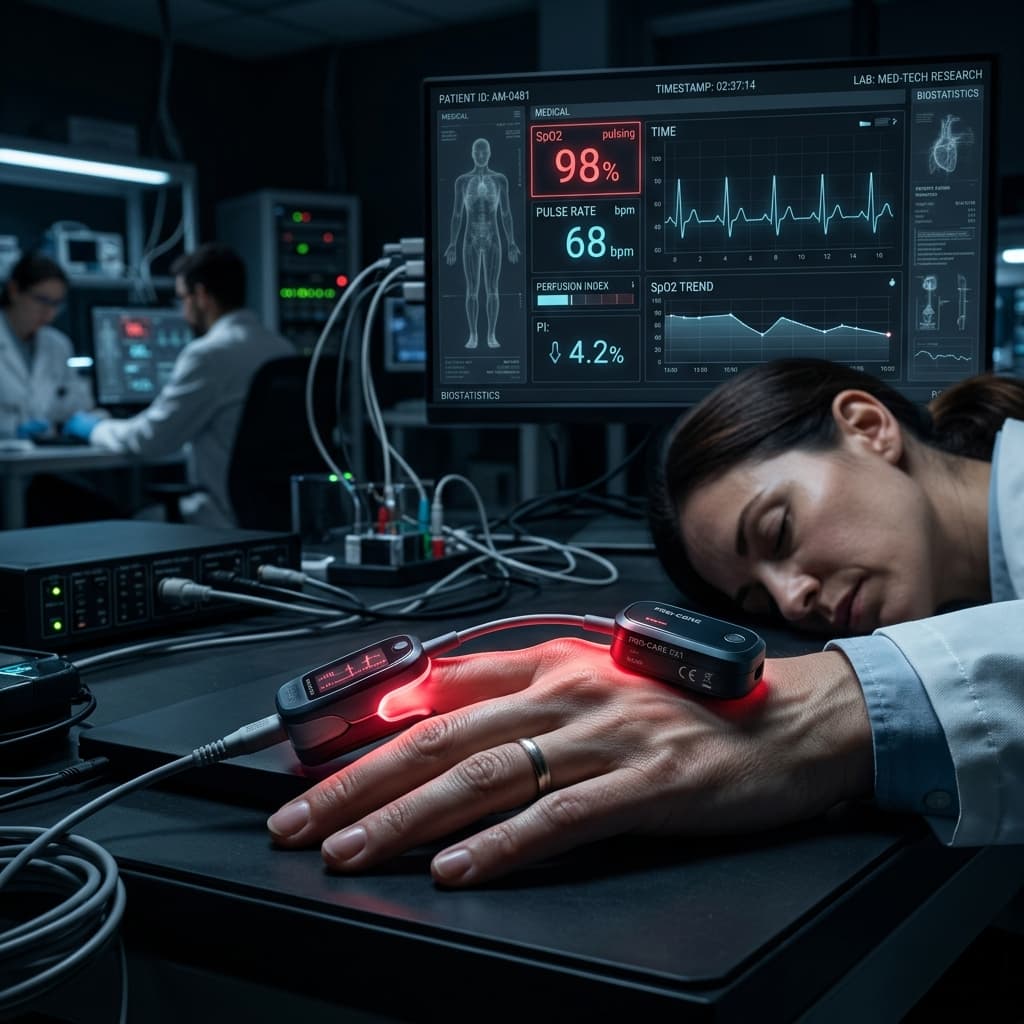
Nocturnal Oximetry: The Guardian of Your Brain Oxygenation
Many biohackers optimize their nutrition and exercise but ignore what happens to their oxygen levels during 30% of their life: sleep. Continuous nocturnal oximetry allows for the identification of desaturation episodes that, although they may not wake the subject, fragment sleep architecture and generate massive systemic oxidative stress.
Micro-Apneas: The Silent Enemy
Unlike severe obstructive sleep apnea (OSA), micro-apneas or hypopnea events can go unnoticed for years.
- SpO2 Desaturations: Repeated drops in oxygen level below 94% during the night.
- Intermittent Hypoxia: These oxygen "potholes" activate the sympathetic stress response, elevating heart rate and cortisol, which prevents entry into deep sleep (N3).
- Impact on Autophagy: Lack of cellular oxygen disrupts the mitochondrial cleaning processes that occur during rest.
Measurement Technology: Ring or Wrist?
Precision is critical. To detect rapid oxygen drops, a high sampling frequency is required.
- Finger Oximetry (e.g., Wellue Checkme O2): The gold standard outside the clinical setting. By measuring on the finger, the PPG signal is stronger and less susceptible to movement artifacts than on the wrist.
- Smart Rings (Oura Gen 4, Ultrahuman): Excellent for long-term trends, but their sampling frequency may "skip" very brief micro-apneas of less than 10 seconds.
LogicMindLab Analysis Protocol
If the data shows recurrent SpO2 drops below 92%:
- Position Analysis: Correlate drops with sleep position (supine sleep often worsens airway collapses).
- Mouth Taping: Protocol to force nasal breathing, which increases natural positive pressure and oxygenation in many subjects.
- Specialist Consultation: If the Oxygen Desaturation Index (ODI) is greater than 5 events per hour, it is imperative to perform a home respiratory polygraphy.
References and Evidence
- Young, T., et al. (2025). "The occurrence of sleep-disordered breathing among middle-aged adults". The New England Journal of Medicine.
- Journal of Sleep Research (2024). "Long-term cardiovascular consequences of mild intermittent hypoxia during sleep".
Warning: Consumer oximetry does not substitute for a clinical polysomnography. If you experience loud snoring or extreme daytime fatigue, seek professional medical advice.
Scientific References & Disclaimer
This article was written for scientific journalism and educational purposes based on publicly available clinical literature. Always consult a licensed healthcare professional before modifying your protocols.
Verify on PubMed