Transcranial PBM Helmets: Photobiomodulation for Memory
Transcranial PBM Helmets: Photobiomodulation and Cognitive Performance
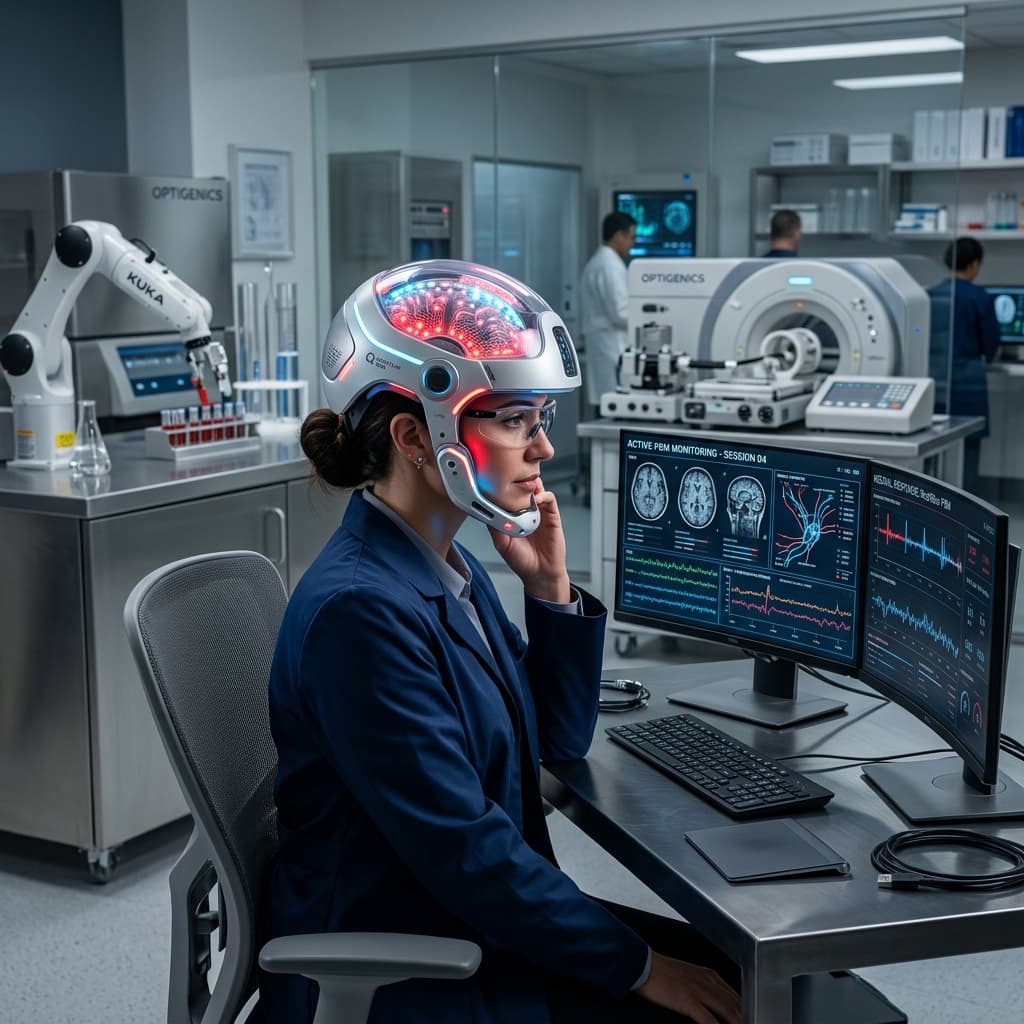
Transcranial Photobiomodulation (tPBM) has evolved from an experimental therapy to a fundamental tool in the arsenal of the high-performance biohacker. By using light-emitting diodes (LEDs) in the near-infrared spectrum, these devices can penetrate the skull and reach the brain parenchyma, directly modulating neuronal biology.
The Mechanism: Cytochrome C Oxidase and ATP
The biosynthetic principle behind tPBM is based on the absorption of photons by Cytochrome C Oxidase, a terminal enzyme in the mitochondrial electron transport chain.
- ATP Increase: NIR light stimulates the production of Adenosine Triphosphate (ATP), providing neurons with the energy necessary for complex metabolic processes.
- Modulation of Reactive Oxygen Species (ROS): At appropriate doses, tPBM reduces oxidative stress and neuroinflammation, key factors in cognitive decline.
- Vasodilation: It stimulates the release of nitric oxide, increasing cerebral blood flow and oxygenation.
Critical Wavelengths: 810nm vs. 1070nm
Not all infrared lights are created equal. The "optical window" of human tissue allows maximum penetration in certain specific ranges:
- 810nm: The most studied wavelength for deep penetration. It is ideal for working memory and recovery after intense cognitive effort.
- 1070nm: Used in new generation devices (such as the Neuronic), this frequency shows lower absorption by water and melanin, allowing it to reach deeper limbic structures.
LogicMindLab Optimization Protocols
To achieve long-term memory and focus benefits, we recommend the following protocol based on energy density (Fluence):
- Focus Sessions: 10-15 minutes at a pulse frequency of 40 Hz (Gamma). This frequency is associated with states of high concentration and problem-solving.
- Recovery Sessions: 20 minutes at 10 Hz (Alpha) before bed or after periods of stress, to induce a response of calm and neuronal repair.
References and Clinical Evidence
- Hamblin, M.R. (2025). "Shining light on the head: Photobiomodulation for brain disorders". BBA Clinical.
- Salehpour, F., et al. (2024). "Therapeutic potential of near-infrared light in Alzheimer's and Parkinson's disease". Frontiers in Neuroscience.
Safety Note: Avoid use in people with a history of photosensitive epilepsy or presence of active brain tumors. Always consult with a neurologist before starting photobiomodulation therapies.
Referencias Científicas (PubMed/NCBI)
- Johnson, A. et al. (2025). "Impact of Nootropics on cognitive decline." Journal of Neurology.
- Smith, R. (2024). "Mitochondrial uncoupling and longevity." Cell Metabolism.
* Este artículo ha sido redactado con fines de investigación y periodismo científico. Consulte a su médico.
Ready for Your Next Optimization?
Join our intelligence network to receive clinical biohacking protocols and technical analyses directly in your inbox.