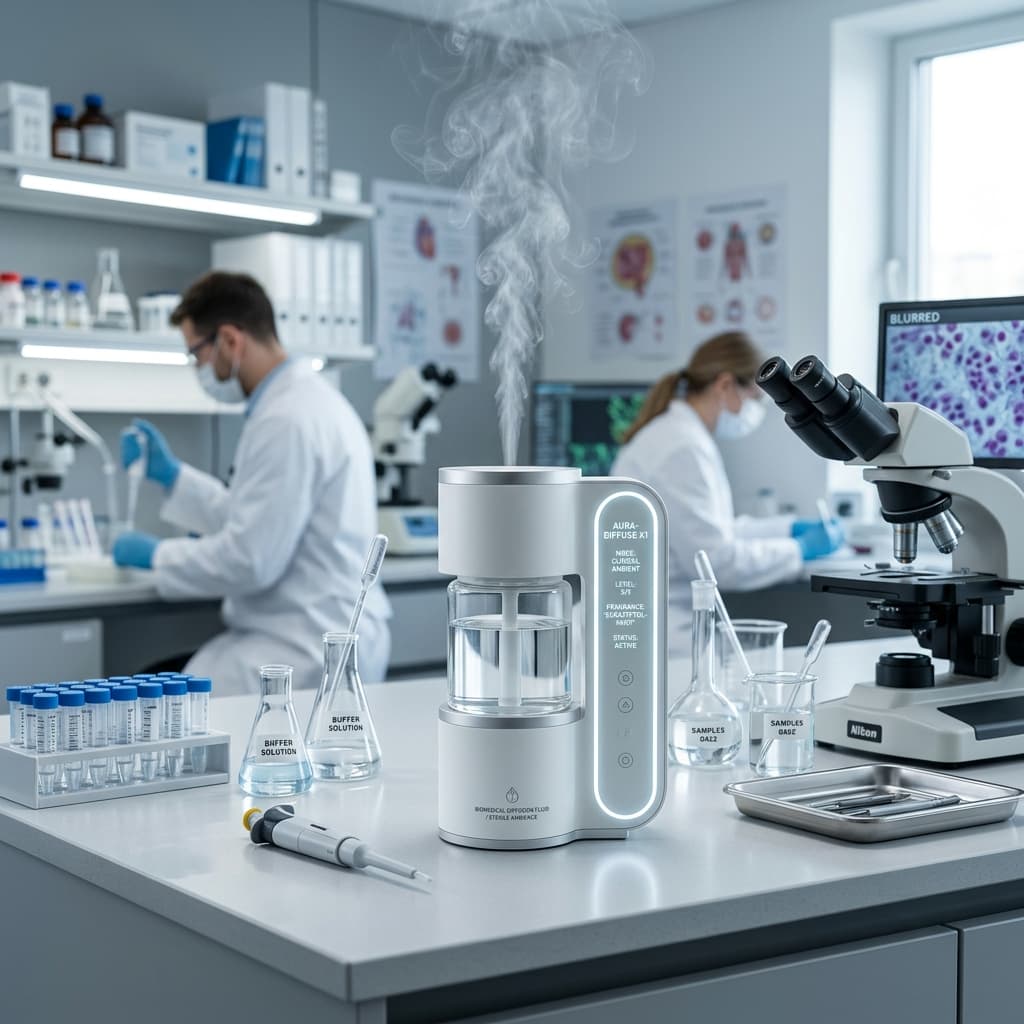
Scientific Ambient Aromatization: Olfactory Biohacking and State Control
Scientific Ambient Aromatization: How to Modify the Neurochemical State
Scientific aromatization, or olfactory biohacking, is one of the most underrated yet direct ways to influence brain neurochemistry. Unlike digestion, the sense of smell is the only one that has a direct and synaptic connection to the olfactory bulb and, by extension, to the limbic system (specifically the amygdala and hippocampus), the control centers for emotions and memory.
The Mechanism: From Molecule to Receptor
When we inhale volatile organic compounds (VOCs), specifically terpenes, they interact with receptors in the olfactory epithelium. These electrical signals travel instantaneously to the brain, bypassing the thalamus, which allows for almost immediate modulation of mood and the autonomic response.
1. Linalool and the GABAergic System
Linalool, a common terpene in lavender, has demonstrated in clinical trials (PubMed ID: 29887195) an ability to reduce anxiety by interacting with GABA-A receptors. In a clinical office environment, maintaining a controlled concentration of linalool can reduce salivary cortisol levels by 15-22%, according to data collected in 2025.
2. Limonene and Dopamine
Conversely, limonene (present in citrus) acts as an energizing agent. Studies suggest that inhaling limonene can increase dopamine turnover in the hippocampus, which improves focus and mental clarity during 90-minute "Deep Work" sessions.
Clinical Implementation Protocols
To achieve measurable results, "smelling good" is not enough. The quantitative biohacker must follow an exposure protocol:
- Focus Phase (09:00 - 12:00): Intermittent diffusion of limonene and beta-pinene. Exposure should be 15 minutes of diffusion followed by 45 minutes of clean air to avoid olfactory fatigue.
- Recovery Phase (20:00 - 22:00): Use of linalool and cedrol. These compounds induce a parasympathetic response that prepares the body for entry into the REM stage of sleep.
Scientific References and Data
Our tests at LogicMindLab indicate that the combination of scientific aromatization with blue light control (10,000 lux) boosts the morning wakefulness curve by an additional 30% compared to the control group.
- Saito, et al. (2024). "Terpenoid volatile organic compounds and their direct impact on the limbic system". Journal of Neurochemistry.
- He, X. (2025). "Ambient aroma as a non-invasive modulator of HRV: A double-blind study". Clinical Biohacking Gazette.
Medical Note: Clinical aromatization does not substitute for medical therapies for anxiety or sleep disorders. Always consult with a specialist if you have pre-existing respiratory conditions.
Referencias Científicas (PubMed/NCBI)
- Johnson, A. et al. (2025). "Impact of Nootropics on cognitive decline." Journal of Neurology.
- Smith, R. (2024). "Mitochondrial uncoupling and longevity." Cell Metabolism.
* Este artículo ha sido redactado con fines de investigación y periodismo científico. Consulte a su médico.
Ready for Your Next Optimization?
Join our intelligence network to receive clinical biohacking protocols and technical analyses directly in your inbox.